+91-9717262687


Turkmenistan is the country where the past infuses so well in perfect harmony with the present. Though the country is historically interconnected with its neighbouring countries, it stands out from the rest of them. The country is densely populated and inhospitable to plant and animal life. Many of its cities were the main points of the Silk Road Trade, linking worlds together. There are three World Heritage sites in the country, namely the Nisa, Mer, and Konye-Urgench. The country has been a very popular destination, especially for its architectural and agricultural sites.
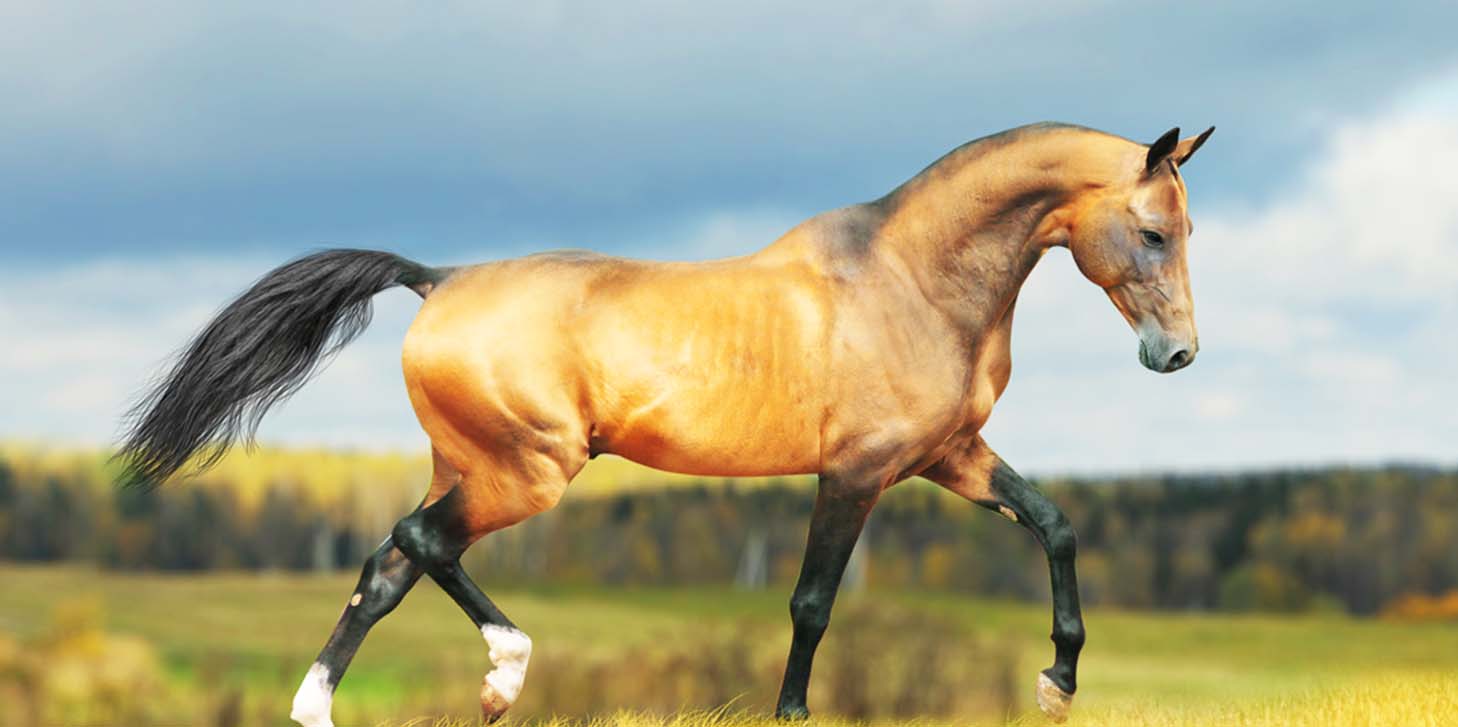
The Akhalteke horses are a real pride to the Turkmen as they are famous all over the world. These horses are no ordinary horses; they are well-maintained and gifted to queens and presidents of the world. They play a major role in the export of the country. These horses have always been war horses, and they are perfect for falconry riding as they ride as fast as a bird and take on the role of a falcon.
The Dinosaur Plateau has gained worldwide fame for the footprints of the dinosaur on a large limestone slab. These large tracks of the three dinosaurs are on the western slope of the Kugitan range. This range is not only the reserve for the dinosaur tracks but also has the longest fossil paths stretching a few kilometres. So if you are looking for things to do in Turkmenistan, experience this historic event, which you will never find in any part of the world.

In the hot Karakum desert, there’s a 230 ft wide crater that has been burning on fire for almost 40 years to date. The crater is technically called the Darvaza gas crater, but locals call it “Gates of Hell”. Its fiery glow can be seen from miles away. It was created in 1971 by the Soviets when they accidentally drilled rig the natural gas cavern, which caused the entire rig to fall and poisonous fumes to leak out. Travellers travel far to this desert to see this site, and if thinking of something crazy, what to do in Turkmenistan, see the Gates of Hell.

The Yangykala Canyon is a natural wonder that very few people have heard about and maybe even seen. Its vast landscape with pink, red, and yellow rock walls of 60-100 meters was created about 5.5 million years ago. If you are in Turkmenistan, you should not miss out on visiting this site as it’s so intriguing. Once upon a time, this site was an old sea, and, sadly, it’s dried up, but it leaves beautifully cut rocks.

In a land covered with deserts, finding a place to swim can be quite a challenge. Luckily, there’s an underground lake to steam off the heat. In the Barkharden Cave, there’s a long metal staircase that leads down to the long lake where the waters are warm with high amounts of salt and minerals. The cave has a very strong, distinct smell of Sulphur. Still have a thought of what to do in Turkmenistan? Experience the Underground Lake.

There’s an ancient ruin, which used to be a settlement for the Iranian peoples in Ashgabat, Turkmenistan, called the Old Nisa. The fortress was included in the World Heritage Site by UNESCO. It was ruled by the Parthian Empire, a complex fortress with 43 rectangular towers. Its architecture is beautifully absorbed with the traditions of the Roman Empire and of Ellada.

There are no cities that were wiped off the map and revived again, but Ashgabat, the Capital of Turkmenistan, rose from its ashes and stands out strong today. In the year 1948, it was awfully destroyed by an earthquake and took the lives of about 10,000 people. It was a very horrific time, and people of Ashgabat remember the date till today, and thus erected an expressive monument as a modern city with modern cities, fountains, shopping places, business centres, etc.

There’s a cemetery in the village of Nokhur where every grave is marked with a horn of a mountain goat. It’s believed that the goat horns keep the evil spirit off the souls of the deceased so that they can go safely to heaven. The people of this region have always considered the goats to be a sacred animal for their endurance and strength.

For many centuries, the ancient capital of Northern Khorezm has been a flourishing state with great buildings everywhere. There was a great cultural and medieval centre for the famous Academy of Sultan Mamun ibn-Mamun. Many great scientists and other significant thinkers of that time lived and worked in this ancient city. The monuments are a symbol of achievements in craftsmanship and architecture whose influence, later on, reaches Iran and Afghanistan.

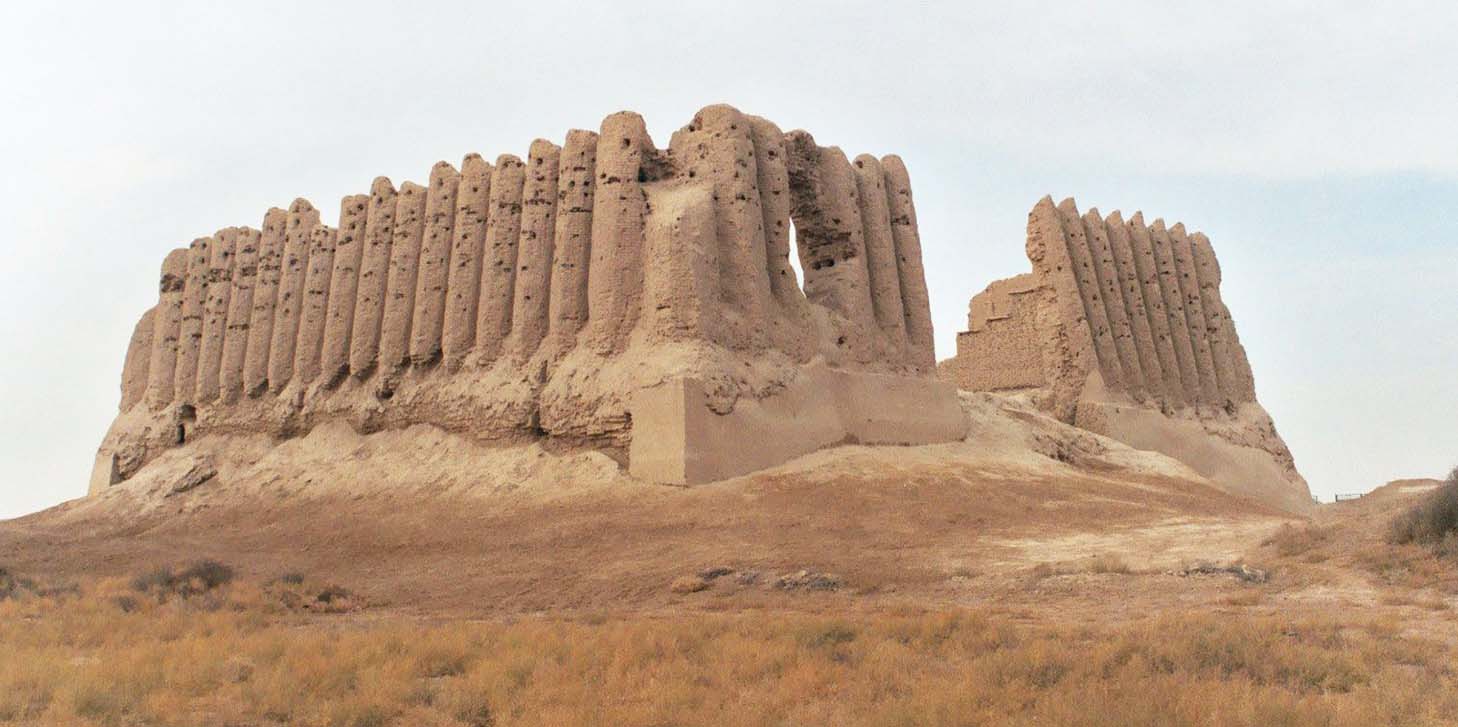
Merv was once the biggest city; the Silk Road metropolis of Merv never fully recovered after the city’s destruction by Genghis Khan and his son. Lord Curzon, the Viceroy of India at that time, called it the world’s greatest vanquished cities. Throughout history, Merv had gone through many ups and downs, which now turn out to have an interesting history to the city. It was the Parthian Empire's centre and was then conquered by Arabs and many others in the line. There are many archaeological findings discovered in this city.